
Regular vehicle maintenance is key to safety, performance, and longevity. Many drivers neglect essential components like oil, brakes, and tires, assuming they will last indefinitely. Failing to maintain them can lead to breakdowns, accidents, and costly repairs. Understanding when to replace these parts ensures your car runs smoothly and keeps you safe on the road.
The Importance of Regular Oil Changes
Engine oil lubricates, cools, and cleans your vehicle’s engine. Over time, oil breaks down and accumulates dirt, reducing its effectiveness. Most manufacturers recommend changing oil every 5,000 to 10,000 kilometers, depending on the car model and oil type. Synthetic oils often last longer than conventional oils. Regular oil changes improve fuel efficiency, prevent engine wear, and avoid expensive repairs in the future.
Recognize the Signs Your Oil Needs Changing
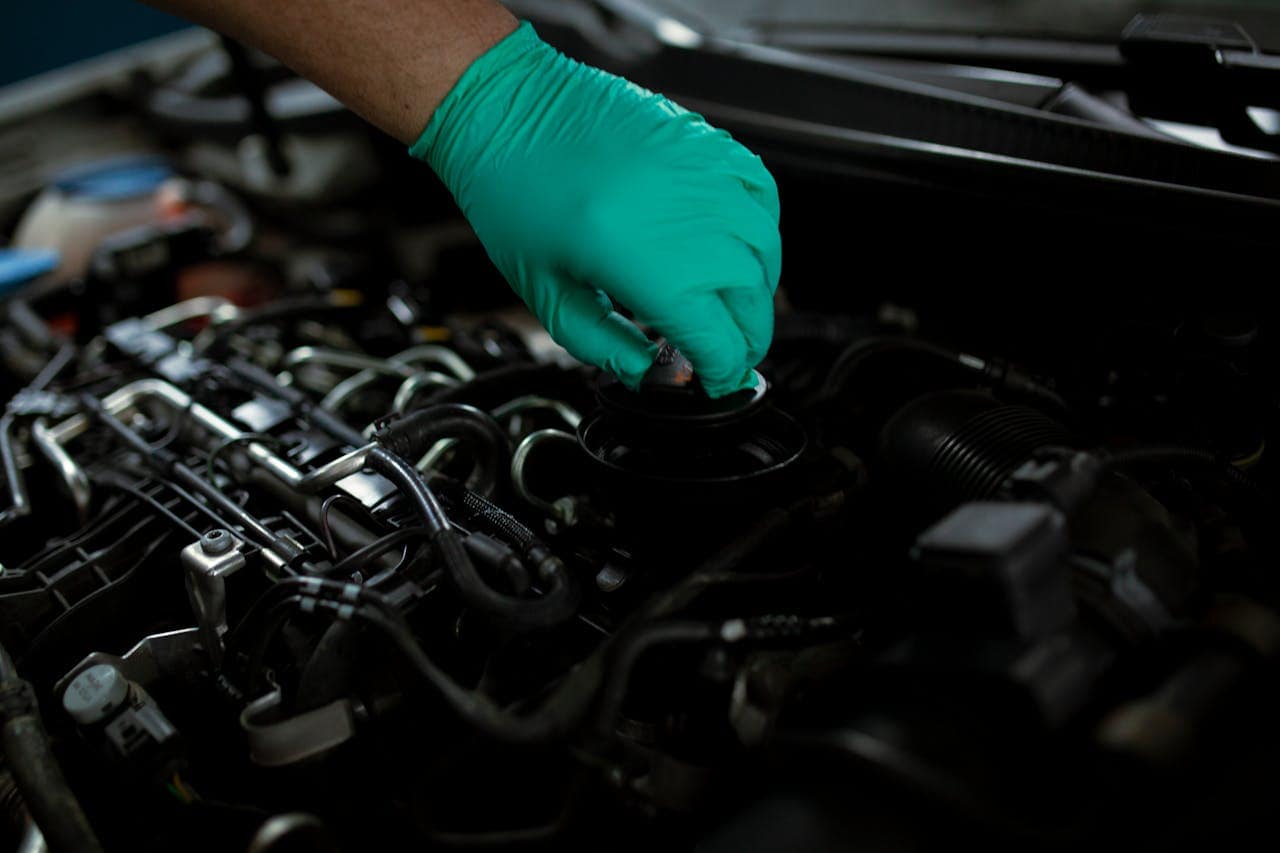 Even if you follow a schedule, it’s important to monitor your oil condition. Dark, thick oil or an illuminated oil warning light is a clear indicator. Strange engine noises or reduced performance can also signal the need for an oil change. Addressing these signs promptly ensures your engine stays healthy and reliable.
Brake Maintenance Essentials
Brakes are critical for safety. Worn brake pads and discs reduce stopping power and increase accident risk. Many mechanics suggest inspecting brakes every 10,000 to 15,000 kilometers. Replacement depends on driving habits, terrain, and vehicle type. Timely maintenance prevents damage to the braking system and costly repairs.
Signs You Need New Brakes
Squeaking, grinding, or vibrations when braking indicate worn components. A longer stopping distance or a soft brake pedal can also signal issues. Ignoring these signs can compromise safety and lead to more severe problems. Routine inspections and prompt replacement are essential for driver confidence and security.
Tire Care and Replacement
Tires are your car’s only contact with the road. Worn tires reduce traction, increase the risk of skidding, and lower fuel efficiency. Typically, tires last 40,000 to 60,000 kilometers, though this varies based on tire type and driving conditions. Rotating tires regularly ensures even wear and extends their lifespan. Checking tread depth and tire pressure frequently helps maintain performance.
The Warning Signs for Tires
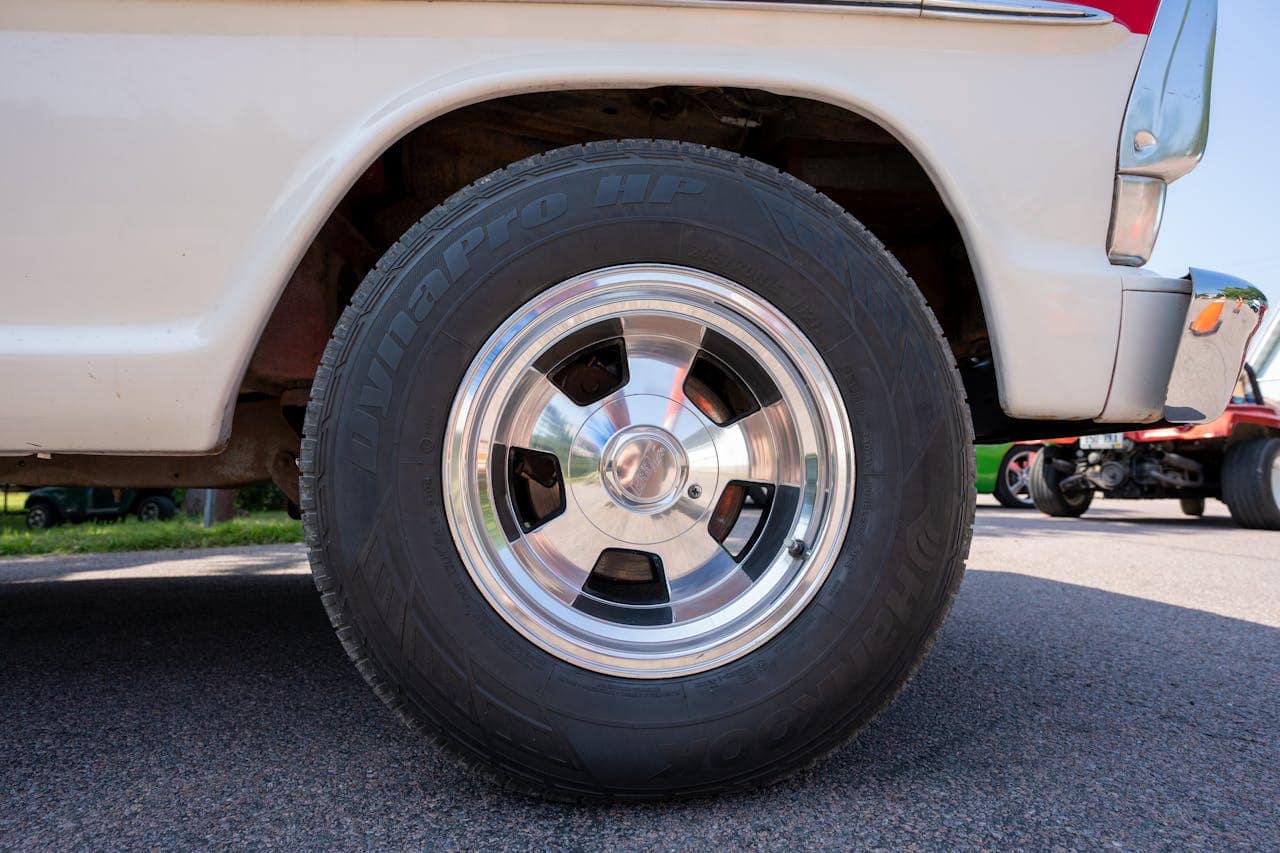
Bald spots, cracks, or bulges are obvious signs your tires need replacement. Unusual vibrations or pulling to one side while driving can also indicate tire issues. Proper tire care ensures stability, reduces accident risk, and improves fuel efficiency. High-quality tires may cost more upfront but provide long-term safety and savings.
The Role of Professional Inspections
While drivers can monitor basic indicators, professional inspections are crucial. Mechanics can identify subtle problems that might be missed. Scheduled check-ups allow you to replace oil, brakes, and tires before they become critical. Professional advice ensures maintenance is done correctly, maximizing safety and performance.
The Benefits of Timely Replacement
Changing oil, brakes, and tires at the right intervals prevents accidents and reduces repair costs. Vehicles perform better, consume less fuel, and maintain higher resale value. Timely maintenance also provides peace of mind, knowing your car is safe for family, work, and travel. Each component works together to ensure a smooth, efficient driving experience.
Maintaining your car’s oil, brakes, and tires is not optional. It’s essential. Regular monitoring, timely replacement, and professional inspections keep your vehicle running safely and efficiently. By following manufacturer guidelines and watching for warning signs, you can avoid unexpected repairs and accidents. Prioritizing these maintenance tasks ensures a safer, smoother, and more cost-effective driving experience.