


Regular vehicle maintenance is key to safety, performance, and longevity. Many drivers neglect essential components like oil, brakes, and tires, assuming they will last indefinitely. Failing to maintain them can lead to breakdowns, accidents, and costly repairs. Understanding when to replace these parts ensures your car runs smoothly and keeps you safe on the road.
The Importance of Regular Oil Changes
Engine oil lubricates, cools, and cleans your vehicle’s engine. Over time, oil breaks down and accumulates dirt, reducing its effectiveness. Most manufacturers recommend changing oil every 5,000 to 10,000 kilometers, depending on the car model and oil type. Synthetic oils often last longer than conventional oils. Regular oil changes improve fuel efficiency, prevent engine wear, and avoid expensive repairs in the future.
Recognize the Signs Your Oil Needs Changing
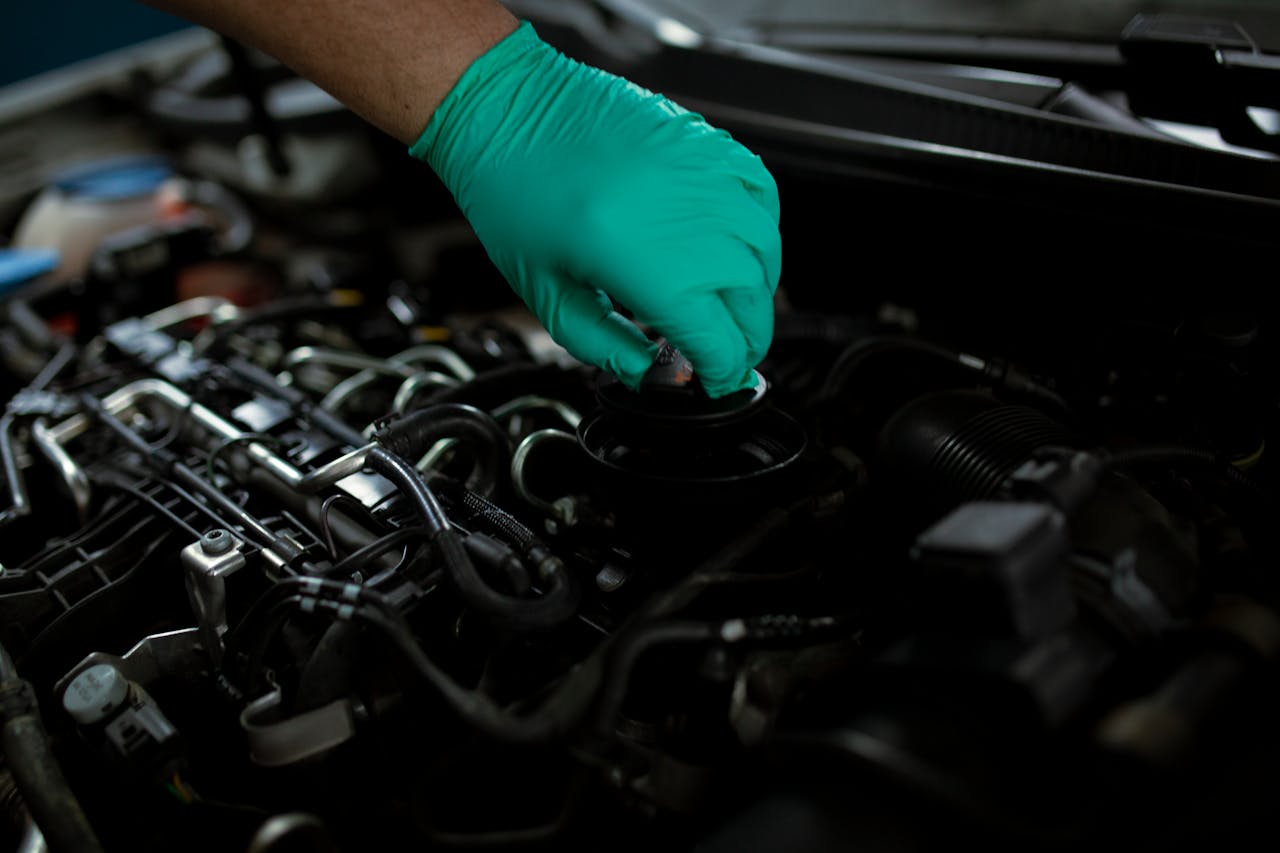 Even if you follow a schedule, it’s important to monitor your oil condition. Dark, thick oil or an illuminated oil warning light is a clear indicator. Strange engine noises or reduced performance can also signal the need for an oil change. Addressing these signs promptly ensures your engine stays healthy and reliable.
Brake Maintenance Essentials
Brakes are critical for safety. Worn brake pads and discs reduce stopping power and increase accident risk. Many mechanics suggest inspecting brakes every 10,000 to 15,000 kilometers. Replacement depends on driving habits, terrain, and vehicle type. Timely maintenance prevents damage to the braking system and costly repairs.
Signs You Need New Brakes
Squeaking, grinding, or vibrations when braking indicate worn components. A longer stopping distance or a soft brake pedal can also signal issues. Ignoring these signs can compromise safety and lead to more severe problems. Routine inspections and prompt replacement are essential for driver confidence and security.
Tire Care and Replacement
Tires are your car’s only contact with the road. Worn tires reduce traction, increase the risk of skidding, and lower fuel efficiency. Typically, tires last 40,000 to 60,000 kilometers, though this varies based on tire type and driving conditions. Rotating tires regularly ensures even wear and extends their lifespan. Checking tread depth and tire pressure frequently helps maintain performance.
The Warning Signs for Tires
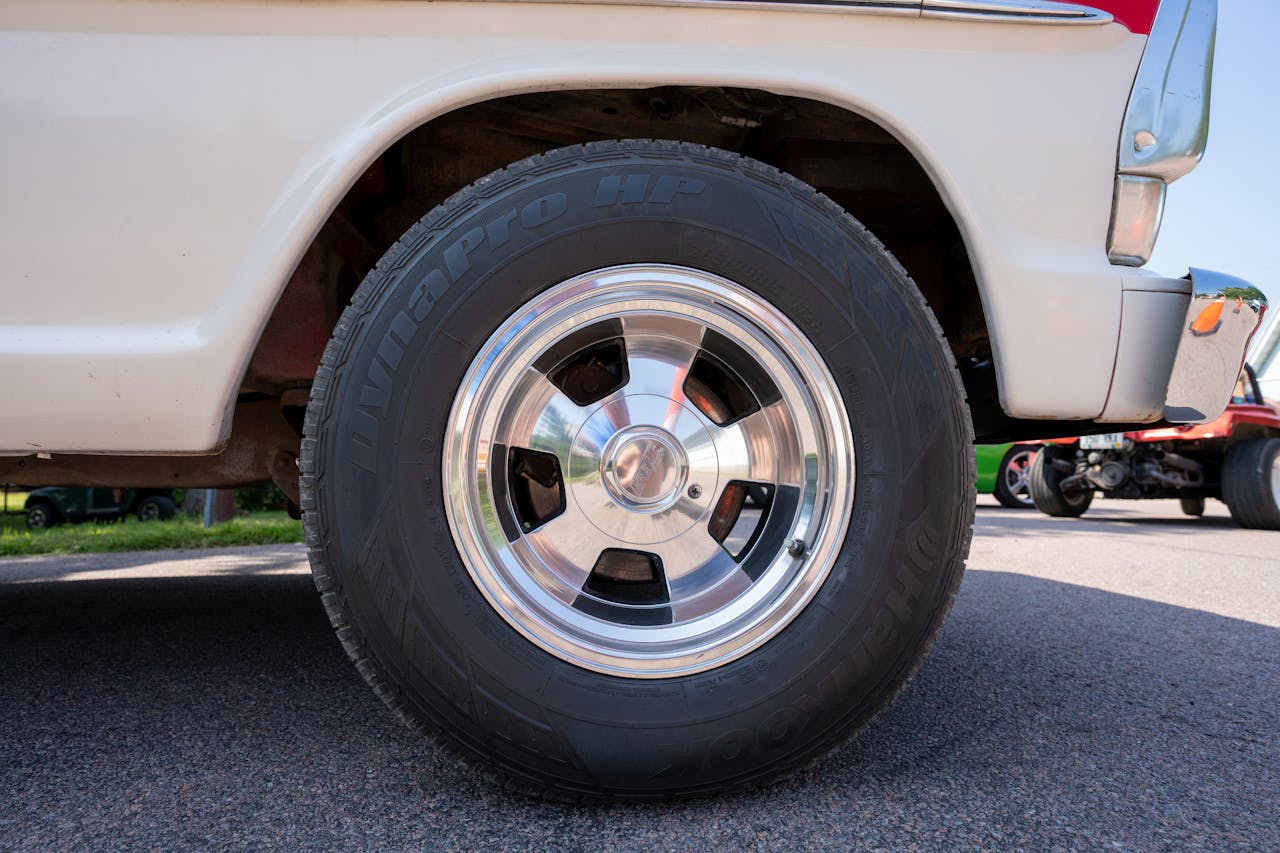
Bald spots, cracks, or bulges are obvious signs your tires need replacement. Unusual vibrations or pulling to one side while driving can also indicate tire issues. Proper tire care ensures stability, reduces accident risk, and improves fuel efficiency. High-quality tires may cost more upfront but provide long-term safety and savings.
The Role of Professional Inspections
While drivers can monitor basic indicators, professional inspections are crucial. Mechanics can identify subtle problems that might be missed. Scheduled check-ups allow you to replace oil, brakes, and tires before they become critical. Professional advice ensures maintenance is done correctly, maximizing safety and performance.
The Benefits of Timely Replacement
Changing oil, brakes, and tires at the right intervals prevents accidents and reduces repair costs. Vehicles perform better, consume less fuel, and maintain higher resale value. Timely maintenance also provides peace of mind, knowing your car is safe for family, work, and travel. Each component works together to ensure a smooth, efficient driving experience.
Maintaining your car’s oil, brakes, and tires is not optional. It’s essential. Regular monitoring, timely replacement, and professional inspections keep your vehicle running safely and efficiently. By following manufacturer guidelines and watching for warning signs, you can avoid unexpected repairs and accidents. Prioritizing these maintenance tasks ensures a safer, smoother, and more cost-effective driving experience.…
 Advanced Driver-Assistance Systems (ADAS) rely on a blend of sensors, cameras, and software to enhance vehicle safety. These components work together seamlessly to monitor the car’s surroundings. Cameras capture real-time images of the road and nearby objects. Lidar or radar systems detect distance and movement, creating a dynamic 3D map around the vehicle. This data is processed by sophisticated algorithms that interpret various scenarios. If an obstacle appears suddenly, ADAS can alert drivers or even apply brakes automatically. Additionally, GPS technology aids in navigation accuracy while enhancing overall situational awareness.
 While Advanced Driver-Assistance Systems (ADAS) offer remarkable benefits, they are not without their drawbacks. One significant limitation is the reliance on technology. Sensors and cameras can malfunction or become obstructed, leading to potential safety risks. Another concern is over-reliance by drivers. Some may feel overly confident in these systems, neglecting their responsibility to remain attentive behind the wheel. This complacency could lead to dangerous situations.
 After a severe car accident, you want to take things slow when getting back on the road. If not now, when will you be able to get back riding your car if you don’t get started? So try going back to basics and starting with small steps. But this time, keep it slow and steady and practice defensive driving techniques even more. Once you feel comfortable driving at low speeds in a parking lot or a park, gradually increase your speed, and distance traveled.
 If the idea of visiting the crash site is too overwhelming, then it’s okay to skip this step. However, if you feel ready and brave enough to confront your fears head-on, visiting the place where the accident happened can be a helpful way to alleviate anxiety and regain control. Though revisiting the scene may seem daunting at first, it can ultimately help you come full circle with what happened and provide closure. It allows you to visualize what occurred in a different light and acknowledge that the event is now part of your past.
 Before making a purchase, check the seller’s return policy. Knowing what you can do if the part is defective or doesn’t fit your car is essential. Some sellers may offer a warranty or a return policy, while others may not accept returns at all. Make sure you understand the seller’s policy before making a purchase.
 In addition, it’s worth noting that aerodynamic drag can also cause more wear and tear on a car’s engine. That’s because the engine must work harder to overcome the drag, leading to increased wear and tear. As such, it’s essential to ensure that your car’s drag is minimized to keep your engine in good condition. Tesla, for example, has been working on reducing the drag of its cars to improve their range and efficiency. Overall, it’s evident that aerodynamic drag is a crucial aspect of automotive design. It can affect everything from fuel consumption to top speed to handling.
 We have at one point seen a dirty car on the road and probably even frowned upon it. Cleaning your vehicle can extend its life span significantly. Your car gets exposed to many things if not cleaned, which might cause damage to it. Clean the exterior to prevent rust and the interior keep away odor and remove dirt from mats and seats. To prevent discoloration and cracking on the dashboard, use a protective spray.
 The heart of the engine is in the oil. It lubricates the engine and makes sure that all parts are working perfectly. Check the engine only at least monthly and change it when necessary. When the engine oil gets dirty, wear and tear happen faster. You can take your car to a service center and have the oil changed, or you can learn how to do it yourself.
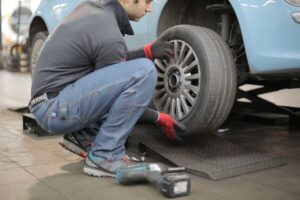 While you can perform some check-ups at home, having a professional look at it is advisable. A qualified professional will detect any problems and solve them before they become major. They can also replace and change parts that are worn or damaged. Nowadays, most service facilities offer door-to-door services. You can now have your car checked by a professional at home.
 Imagine a situation where you have to fly several miles to drive back with your car? That will not only be an expensive venture, but it will also be a waste of time. Instead of wasting your time flying to drive your car home, it is essential to contact the professionals who have specialized in handling these tasks. With the help of a professional car transport company, you will have plenty of time to think about other essential things that matter. Furthermore, you will not have to worry about the safety or even planning of the entire experience.


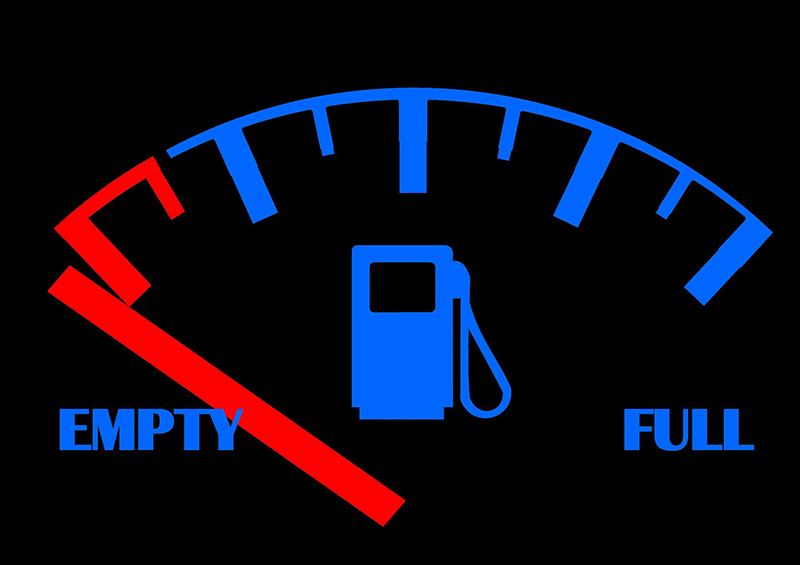

 is charging. Most of them usually charge on an hourly basis while others daily. The kind of limo you pick will also determine the amount you have to pay. If you want the best, then you should start saving early. Also, compare the rates between different limo rental companies to find out who is charging fairly.
 When you are choosing the best one in Oceanside city, you need to consider the availability of excellent services. Sometimes, you will not expect the best customer service unless you make it by befriending the waiters and waitresses so that you get the best attention.
 When you are trying to determine the value of the place that you intend to choose, you need to know that price plays an important role. However, you need to be careful with your selections because the expensive one might not always deliver the best of your expectations. Ensure that you choose a valuable restaurant that you can afford and enjoy yourself at the same time.
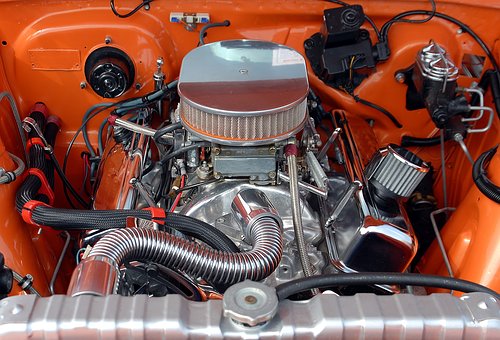 Exhausts emissions are monitored by the oxygen sensor device, air-fuel ratio going through the engine of the vehicle are analyzed by the monitoring of the device. Acceleration and smooth running required will be achieved when the car gets the proper amount of fuel, for the fuel to burn properly in the combustion cylinders.
 Dirty or clogged fuel filters affect the car acceleration performance. The engine doesn’t get enough fuel which results in poor engine performance. As much as you set on the gas pedal, you will realize the car doesn’t respond when required to do so. Replacing will be a perfect solution.
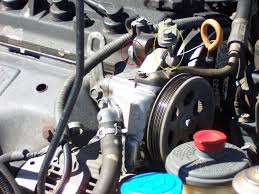 When the serpentine belt is cracked or damaged, you will experience steering wheel stiffness. It gets worn down with time as its always being used when you drive the vehicle. The stiffness of the steering begins when it loosens, and if ignored it breaks altogether when you fail to replace which leads total fail of turning the
 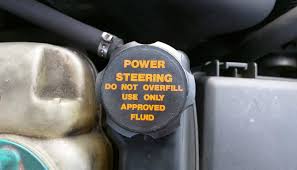 With time the fluid of the power steering becomes thick. When it takes time to service, then it becomes too thick to lubricate the system. At low speeds, you will experience stiffness as you turn the wheels. Draining the old fluid will solve the problem as you replace with entirely new fluid.