
How Often Should You Change Oil, Brakes, and Tires?

Regular vehicle maintenance is key to safety, performance, and longevity. Many drivers neglect essential components like oil, brakes, and tires, assuming they will last indefinitely. Failing to maintain them can lead to breakdowns, accidents, and costly repairs. Understanding when to replace these parts ensures your car runs smoothly and keeps you safe on the road.

The Importance of Regular Oil Changes

Engine oil lubricates, cools, and cleans your vehicle’s engine. Over time, oil breaks down and accumulates dirt, reducing its effectiveness. Most manufacturers recommend changing oil every 5,000 to 10,000 kilometers, depending on the car model and oil type. Synthetic oils often last longer than conventional oils. Regular oil changes improve fuel efficiency, prevent engine wear, and avoid expensive repairs in the future.

Recognize the Signs Your Oil Needs Changing
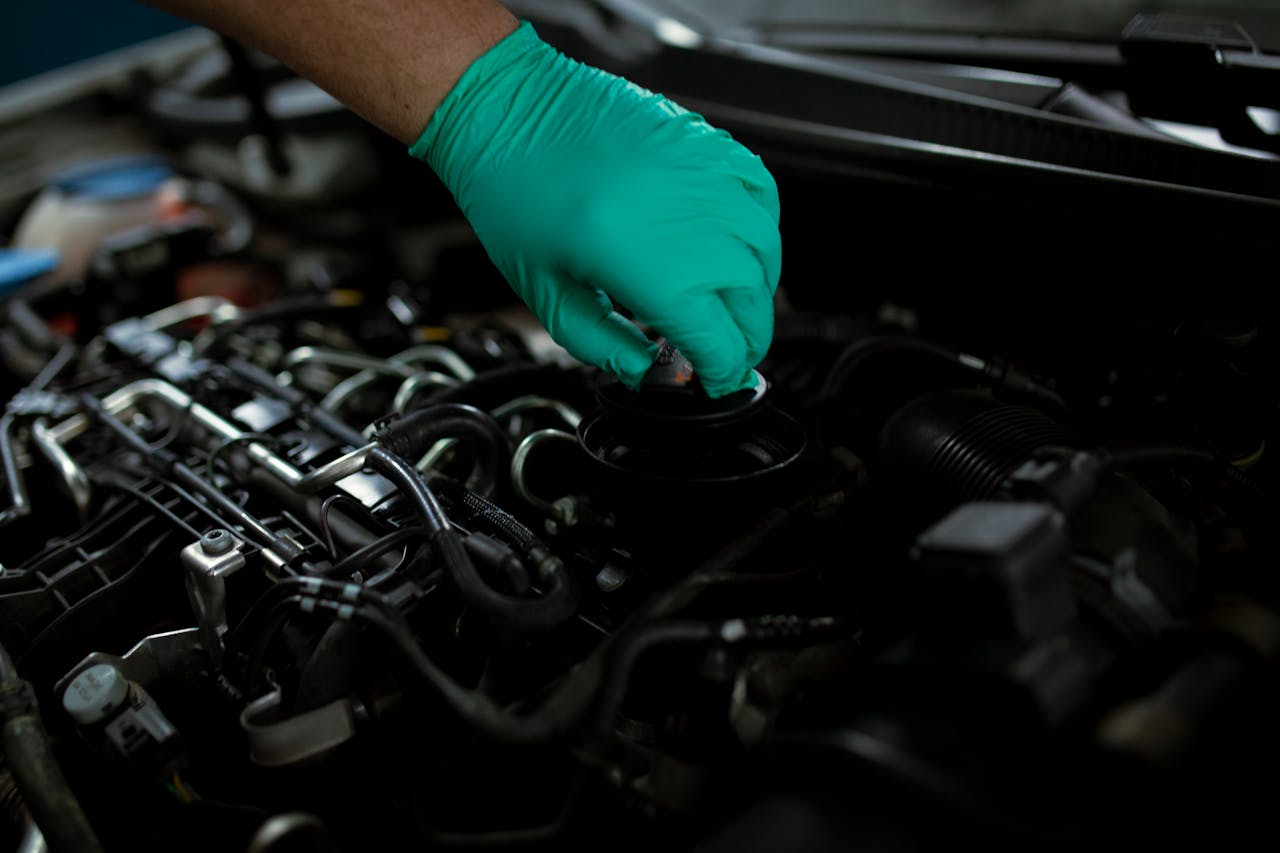
opening Even if you follow a schedule, it’s important to monitor your oil condition. Dark, thick oil or an illuminated oil warning light is a clear indicator. Strange engine noises or reduced performance can also signal the need for an oil change. Addressing these signs promptly ensures your engine stays healthy and reliable.

Brake Maintenance Essentials

Brakes are critical for safety. Worn brake pads and discs reduce stopping power and increase accident risk. Many mechanics suggest inspecting brakes every 10,000 to 15,000 kilometers. Replacement depends on driving habits, terrain, and vehicle type. Timely maintenance prevents damage to the braking system and costly repairs.

Signs You Need New Brakes

Squeaking, grinding, or vibrations when braking indicate worn components. A longer stopping distance or a soft brake pedal can also signal issues. Ignoring these signs can compromise safety and lead to more severe problems. Routine inspections and prompt replacement are essential for driver confidence and security.

Tire Care and Replacement

Tires are your car’s only contact with the road. Worn tires reduce traction, increase the risk of skidding, and lower fuel efficiency. Typically, tires last 40,000 to 60,000 kilometers, though this varies based on tire type and driving conditions. Rotating tires regularly ensures even wear and extends their lifespan. Checking tread depth and tire pressure frequently helps maintain performance.

The Warning Signs for Tires
car

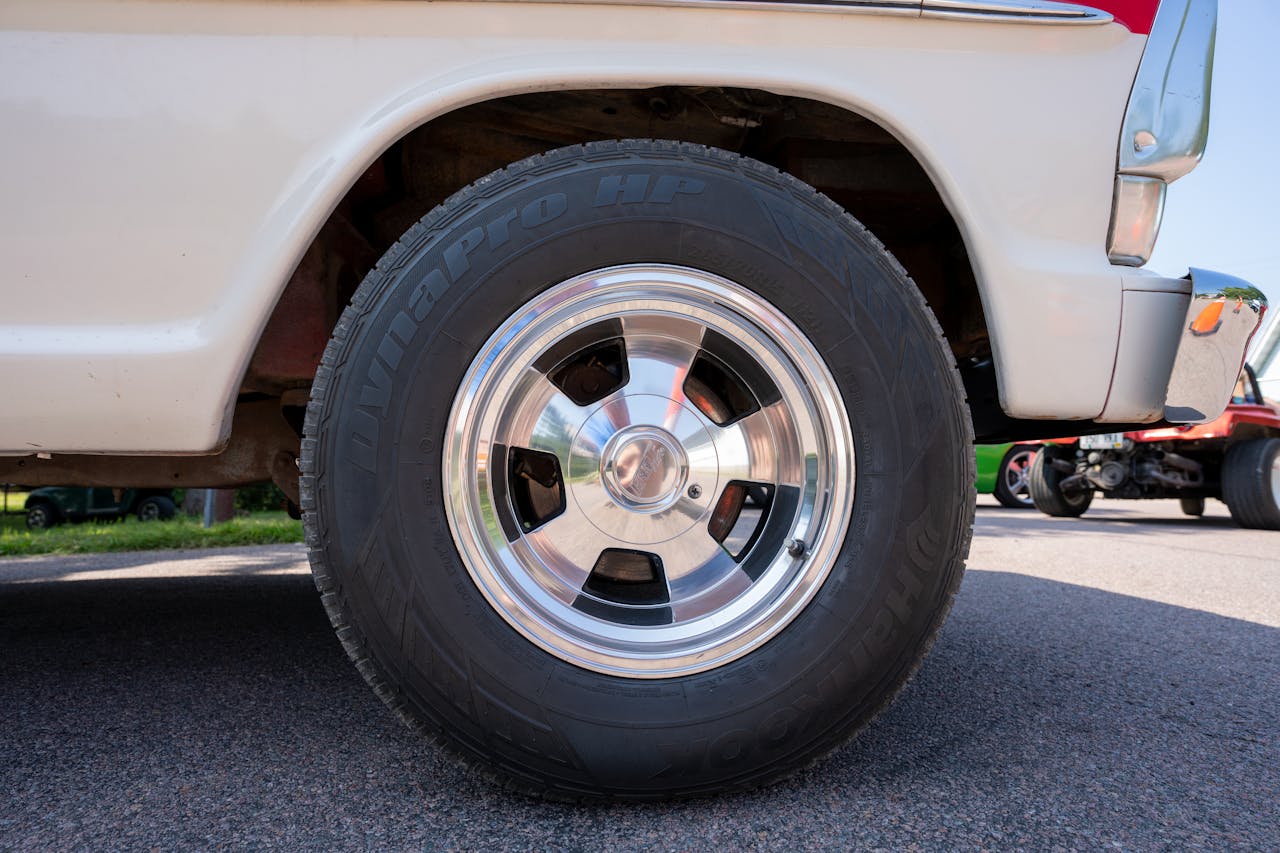
Bald spots, cracks, or bulges are obvious signs your tires need replacement. Unusual vibrations or pulling to one side while driving can also indicate tire issues. Proper tire care ensures stability, reduces accident risk, and improves fuel efficiency. High-quality tires may cost more upfront but provide long-term safety and savings.

The Role of Professional Inspections

While drivers can monitor basic indicators, professional inspections are crucial. Mechanics can identify subtle problems that might be missed. Scheduled check-ups allow you to replace oil, brakes, and tires before they become critical. Professional advice ensures maintenance is done correctly, maximizing safety and performance.

The Benefits of Timely Replacement

Changing oil, brakes, and tires at the right intervals prevents accidents and reduces repair costs. Vehicles perform better, consume less fuel, and maintain higher resale value. Timely maintenance also provides peace of mind, knowing your car is safe for family, work, and travel. Each component works together to ensure a smooth, efficient driving experience.

Maintaining your car’s oil, brakes, and tires is not optional. It’s essential. Regular monitoring, timely replacement, and professional inspections keep your vehicle running safely and efficiently. By following manufacturer guidelines and watching for warning signs, you can avoid unexpected repairs and accidents. Prioritizing these maintenance tasks ensures a safer, smoother, and more cost-effective driving experience.…

How Advanced Driver-Assistance Systems (Adas) Are Enhancing Vehicle Safety

In today’s fast-paced world, safety on the road has never been more critical. With increasing traffic and distractions, drivers are constantly seeking ways to protect themselves and their passengers. Enter Advanced Driver-Assistance Systems (ADAS) is a game-changer in vehicle technology. These sophisticated systems utilize cutting-edge sensors and software to help prevent accidents and enhance overall driving experiences. Imagine your car not just as a mode of transportation but as an attentive co-pilot that works around the clock to keep you safe. From adaptive cruise control to automatic emergency braking, ADAS is revolutionizing how we think about vehicle safety and paving the way for smarter roads ahead.

How ADAS Works

Advanced Driver-Assistance Systems (ADAS) rely on a blend of sensors, cameras, and software to enhance vehicle safety. These components work together seamlessly to monitor the car’s surroundings. Cameras capture real-time images of the road and nearby objects. Lidar or radar systems detect distance and movement, creating a dynamic 3D map around the vehicle. This data is processed by sophisticated algorithms that interpret various scenarios. If an obstacle appears suddenly, ADAS can alert drivers or even apply brakes automatically. Additionally, GPS technology aids in navigation accuracy while enhancing overall situational awareness.

Types of ADAS Technologies

Advanced Driver-Assistance Systems encompass a variety of technologies that enhance vehicle safety. One prominent type is Adaptive Cruise Control (ACC). This system automatically adjusts the vehicle’s speed to maintain a safe distance from the car ahead. Another key technology is Lane Departure Warning (LDW). It detects lane markings and alerts drivers when they unintentionally drift out of their lanes. This feature helps prevent potential accidents caused by distractions. Blind Spot Detection (BSD) is essential for safer lane changes. By using sensors, BSD monitors areas not visible in mirrors, alerting drivers to vehicles lurking nearby.

Benefits of ADAS for Vehicle Safety

ADAS technologies play a crucial role in enhancing vehicle safety. They provide drivers with critical assistance, reducing the likelihood of accidents. One major benefit is collision avoidance. Systems like automatic emergency braking can detect potential collisions and apply brakes autonomously, helping to prevent crashes before they happen. Lane-keeping assist is another innovation that enhances safety. By monitoring lane markings, it gently nudges the steering wheel if the driver unintentionally drifts out of their lane, keeping them safely on track.

Potential Drawbacks and Limitations

While Advanced Driver-Assistance Systems (ADAS) offer remarkable benefits, they are not without their drawbacks. One significant limitation is the reliance on technology. Sensors and cameras can malfunction or become obstructed, leading to potential safety risks. Another concern is over-reliance by drivers. Some may feel overly confident in these systems, neglecting their responsibility to remain attentive behind the wheel. This complacency could lead to dangerous situations.

Moreover, ADAS technologies vary widely among manufacturers and models. Inconsistency can create confusion for drivers who switch vehicles frequently. They might struggle with unfamiliar systems that operate differently from what they’re used to.

In Conclusion

The evolution of Advanced Driver-Assistance Systems (ADAS) marks a significant leap forward in automotive technology. With features designed to enhance safety and reduce the likelihood of accidents, these systems represent a proactive approach to vehicle operation. As ADAS continues to advance, we can expect even greater integration into our daily driving experiences. The potential for reduced traffic incidents is not just an optimistic vision. It’s becoming a reality thanks to ongoing innovations in this field. As manufacturers invest more resources into developing smarter technologies, drivers will benefit from increased peace of mind on the road. While there are challenges ahead such as technical limitations and ethical considerations regarding automation the trajectory remains promising. The ultimate goal is clear: safer roads for everyone, enhanced by smart technology that works alongside human drivers.…

Valuable Tips to Regain Driving Confidence After a Severe Car Accident

Have you recently been involved in a severe car accident around mirawali baba or in any other place on Earth and are now struggling to regain your driving confidence? You’re not alone. It’s normal to feel anxious or nervous behind the wheel after experiencing a traumatic event on the road. But fret not, guys! There are ways to overcome this fear. In this article, we’ll provide you with valuable tips on how to get back behind the wheel and regain your confidence. So let’s take those baby steps together and get started.

Take the Baby Steps Once Again

drivingAfter a severe car accident, you want to take things slow when getting back on the road. If not now, when will you be able to get back riding your car if you don’t get started? So try going back to basics and starting with small steps. But this time, keep it slow and steady and practice defensive driving techniques even more. Once you feel comfortable driving at low speeds in a parking lot or a park, gradually increase your speed, and distance traveled.

Remember to always focus on the task at hand and avoid any distractions, such as using your phone while driving. And as always, keep it at your pace. No one can dictate how you need to pace your own progress.

Bring Along Someone to Ride With You (Mental Support)

After a severe car accident, stepping behind the wheel can be especially daunting. The fear and anxiety associated with driving again can sometimes lead to emotional distress. That is where having someone accompany you in the passenger seat comes in handy. Bringing along someone for moral support can help you regain your confidence while on the road. It could be a friend, lover, or even a professional counselor who will offer emotional assistance as you take those baby steps back into driving. Having someone ride with you during this process means they can provide guidance and encouragement when necessary. They could also act as an extra set of eyes if needed, scanning for potential hazards to keep you sane and focused on the road ahead.

Always Ensure Your Car Is in Good Shape

Not only will this prevent further accidents, but it will also at least bring you peace when trying to regain your driving confidence. So start by checking all the lights and signals on your car. Move to the brakes and see if they’re working just fine. The next step should be inspecting the tires for any signs of damage or wear. Your suspension system may also have been affected, so ensure it’s checked too. Proper alignment can help with smooth handling and increased control. Regularly servicing your car can help identify small problems before they turn into significant ones that affect performance or safety down the road. A well-maintained vehicle gives you more control over how it drives, enabling safe transportation for yourself and others on board.

If possible, Kill the Fear by Visiting the Crash Site

drivingIf the idea of visiting the crash site is too overwhelming, then it’s okay to skip this step. However, if you feel ready and brave enough to confront your fears head-on, visiting the place where the accident happened can be a helpful way to alleviate anxiety and regain control. Though revisiting the scene may seem daunting at first, it can ultimately help you come full circle with what happened and provide closure. It allows you to visualize what occurred in a different light and acknowledge that the event is now part of your past.

While there, try not to focus solely on negative thoughts or emotions but instead reflect on how far you’ve come since that day. Acknowledge your strength in facing this fear head-on and remind yourself that moving forward from here is possible. Driving should be enjoyable and stress-free once again. Don’t let past accidents affect how you see yourself behind the wheel. Follow these valuable tips to get back on track today.…